Military drone programmes moved from support assets to frontline doctrine over the past decade. The Russia-Ukraine war, Red Sea maritime attacks, and India's Operation Sindoor in May 2025 accelerated procurement of long-endurance ISR platforms, loitering munitions, and stealth unmanned combat aerial vehicles. India alone approved a USD 3.99 billion contract for 31 MQ-9B Predator drones from General Atomics in October 2024, while DRDO continued the Archer-NG MALE programme, indigenous loitering munitions, and counter-UAS systems (Ministry of Defence, 15 October 2024). The result is an operational environment where drones conduct surveillance, strike missions, target designation, swarm operations, and air-defence suppression. The platforms listed here were selected for combat record, endurance, payload, operational deployment, and strategic influence on modern warfare.
Defining the modern battlefield
Military doctrine changed after 2022 because attack drones, strike drones, and combat drones proved effective against armour, radar systems, artillery, logistics routes, and naval targets. The Russia-Ukraine conflict became the world's largest operational drone laboratory, with drones in war reaching a scale no previous conflict had matched. Both sides deployed ISR drones, FPV strike systems, loitering munitions, and long-range unmanned strike aircraft at scale (RUSI, February 2025).
India's drone doctrine shifted after the Operation Sindoor drone deployments between 7 and 10 May 2025. Indian forces integrated loitering munitions, layered air defence, electronic warfare, and surveillance drones across multiple operational sectors. The operation demonstrated that unmanned systems were no longer restricted to reconnaissance roles. They became integrated strike and targeting assets supported by command-and-control networks and electronic warfare systems. For the wider context on one-way strike systems used in the operation, see our companion analysis on kamikaze drones and loitering munitions.
Three trends now define military drone development globally:
- Longer endurance for persistent ISR and maritime surveillance missions
- Higher payload capacity for precision-guided munitions and electronic warfare equipment
- Greater integration with manned aircraft, satellite networks, and battlefield command systems
Stealth unmanned combat aerial vehicles also received expanded investment. China, Russia, Türkiye, Australia, and the United States accelerated loyal wingman and stealth UCAV programmes over recent years. India's DRDO programmes focus on autonomous teaming and high-endurance combat support systems through the Ghatak and CATS Warrior efforts.
The competition is no longer limited to drone manufacturing. Nations now compete on drone doctrine, airspace integration, AI-assisted targeting controls, electronic warfare resilience, and industrial production scale.
Ranking the leading platforms
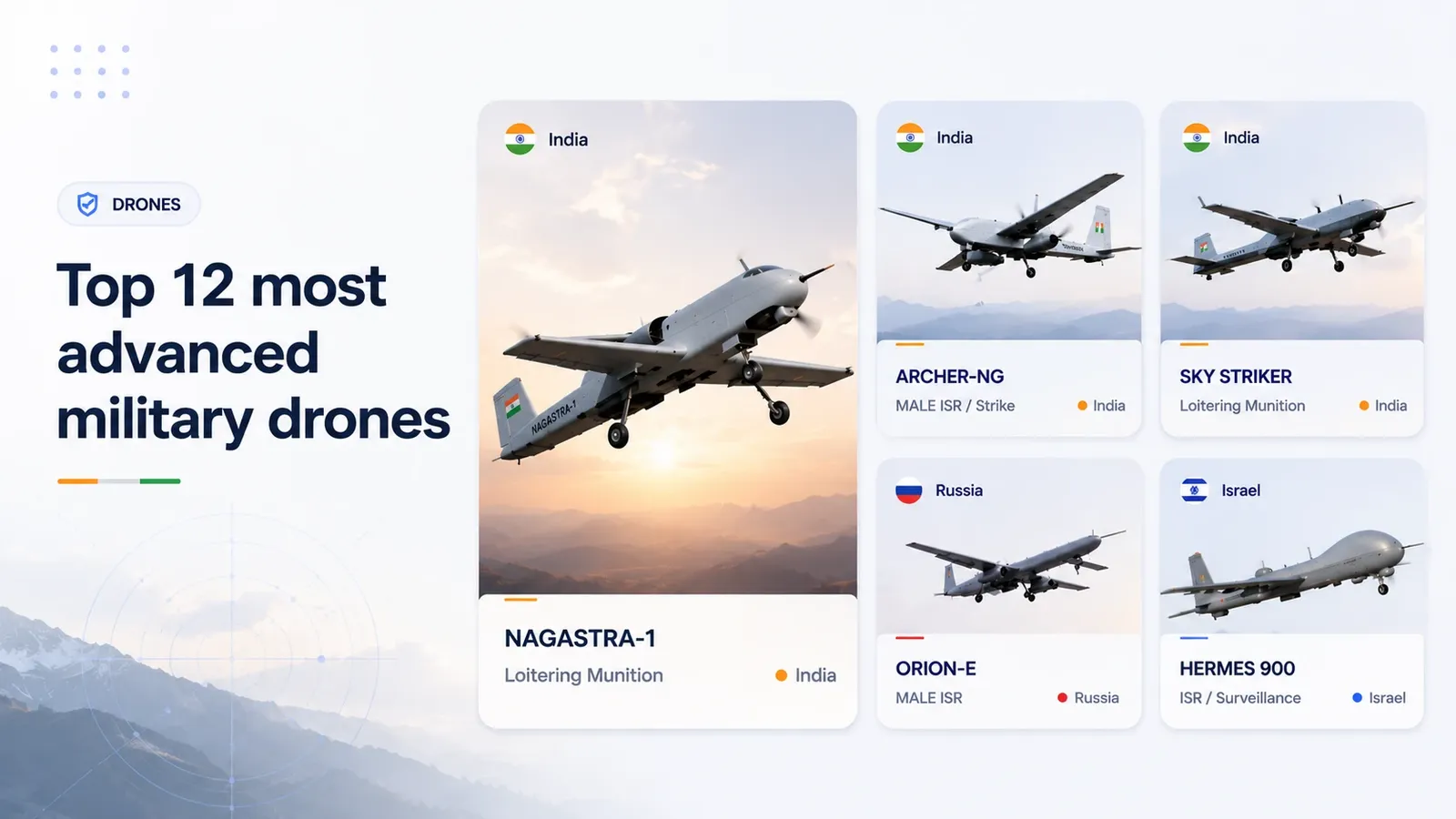
This top 12 military drones ranking, alongside the top 10 military drones list format common in defence coverage, evaluates operational capability rather than promotional specifications. Each platform was assessed using four criteria: combat deployment, endurance and payload performance, operational adoption, and strategic influence on modern warfare.
Platform | Country | Primary role | Combat proven |
|---|---|---|---|
MQ-9 Reaper / MQ-9B | United States | MALE strike UAV | Yes |
Bayraktar TB2 | Türkiye | MALE UCAV | Yes |
Bayraktar Akıncı | Türkiye | HALE UCAV | Limited |
Wing Loong II | China | Strike UAV | Yes |
GJ-11 Sharp Sword | China | Stealth UCAV | Developmental deployment |
Hermes 900 | Israel | ISR UAV | Yes |
TAI Aksungur | Türkiye | Maritime ISR / strike | Limited |
RQ-4 Global Hawk | United States | HALE ISR | Yes |
S-70 Okhotnik | Russia | Stealth UCAV | Testing phase |
Bayraktar Kızılelma | Türkiye | Jet-powered UCAV | Flight-tested |
Archer-NG | India | MALE ISR / strike | Trials phase |
Sky Striker / Nagastra-1 | India | Loitering munitions | Operational use |
The list includes operational systems and advanced platforms tested or fielded by military forces. Experimental concepts without flight validation were excluded.
Long-endurance strike systems
MQ-9 Reaper and MQ-9B
The MQ-9 Reaper remains the benchmark for MALE UAV platforms and long-endurance armed surveillance drones. Developed by General Atomics, the aircraft conducts ISR, strike, maritime surveillance, and target acquisition missions for the United States and allied forces. The MQ-9B variant adds maritime capability, anti-submarine integration options, and NATO-compliant airspace certification under STANAG 4671.
Specification | MQ-9B SkyGuardian |
|---|---|
Endurance | More than 40 hours |
Payload | 2,155 kg across 9 hardpoints |
Ceiling | 40,000 ft |
Speed | Approx. 389 km/h (210 knots) |
The platform has operated in Afghanistan, Iraq, Syria, and maritime surveillance missions across the Indo-Pacific (US Air Force, 2025). India signed a USD 3.99 billion contract for 31 MQ-9B drones on 15 October 2024 under a tri-service procurement covering 15 SeaGuardians for the Navy and 8 SkyGuardians each for the Army and Air Force (Ministry of Defence, 15 October 2024). Delivery is expected within four years, with full induction within six.
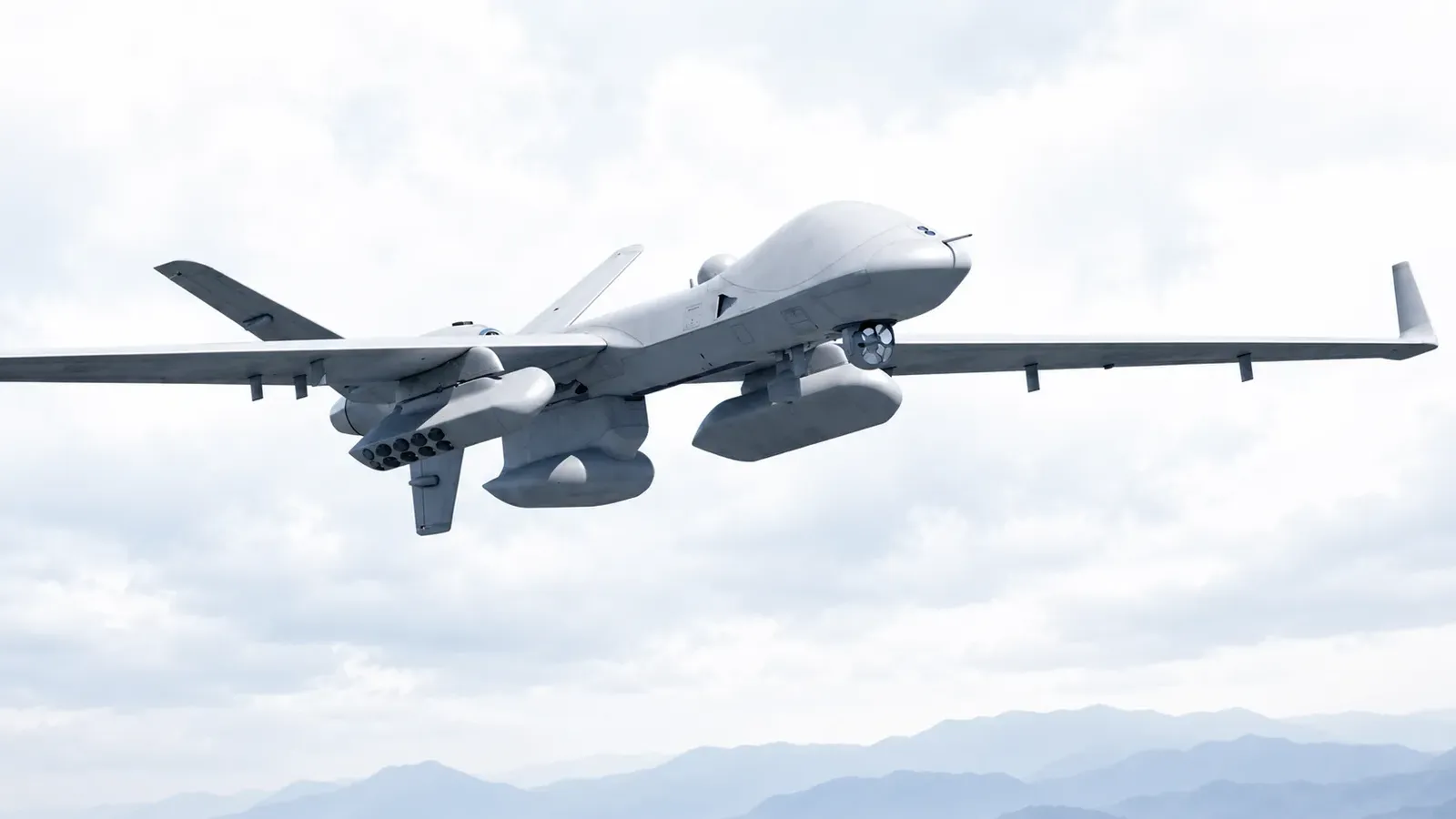
The aircraft's operational value comes from persistence. Few platforms can maintain ISR coverage over maritime corridors or contested borders for more than 30 hours without refuelling.
Bayraktar TB2
The Bayraktar TB2 became one of the most recognised military drones after operations in Ukraine, Libya, Syria, and Nagorno-Karabakh. Produced by Baykar, the TB2 demonstrated that medium-altitude killer drones could destroy armour, artillery, and air-defence systems when supported by intelligence and electronic warfare networks.
Specification | Bayraktar TB2 |
|---|---|
Endurance | 27 hours |
Payload | 150 kg across 4 hardpoints |
Ceiling | 27,030 ft |
Speed | Approx. 222 km/h |
The drone gained strategic weight through affordability and export success. More than 30 countries operate or have ordered TB2 systems, with Baykar producing 250 units per year and targeting 500 (IISS Military Balance). The TB2 is the most produced and export-successful UCAV in the world.
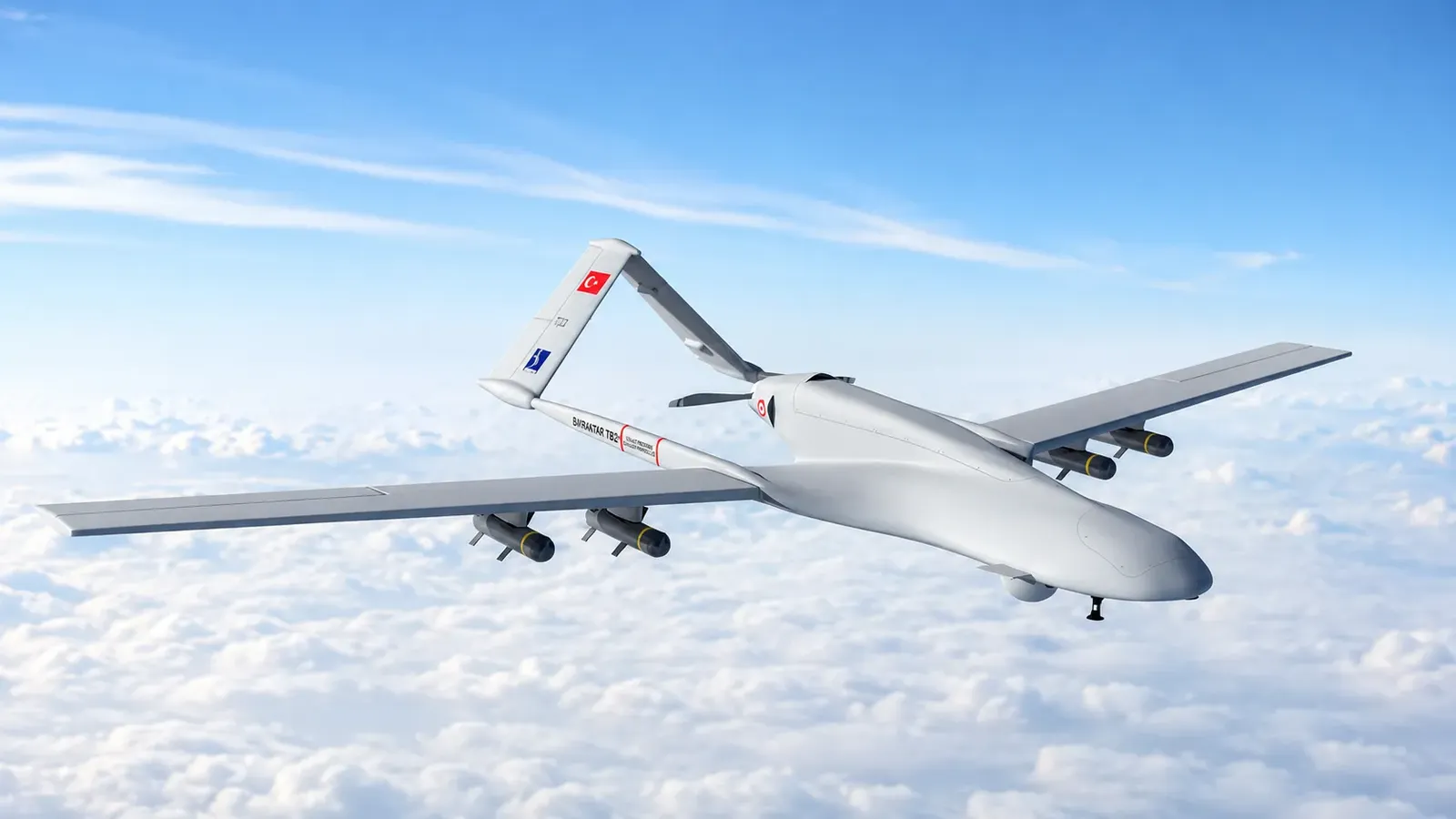
Its success also changed procurement policy globally. Several countries accelerated indigenous drone manufacturing after observing the TB2's operational impact in Ukraine.
Bayraktar Akıncı
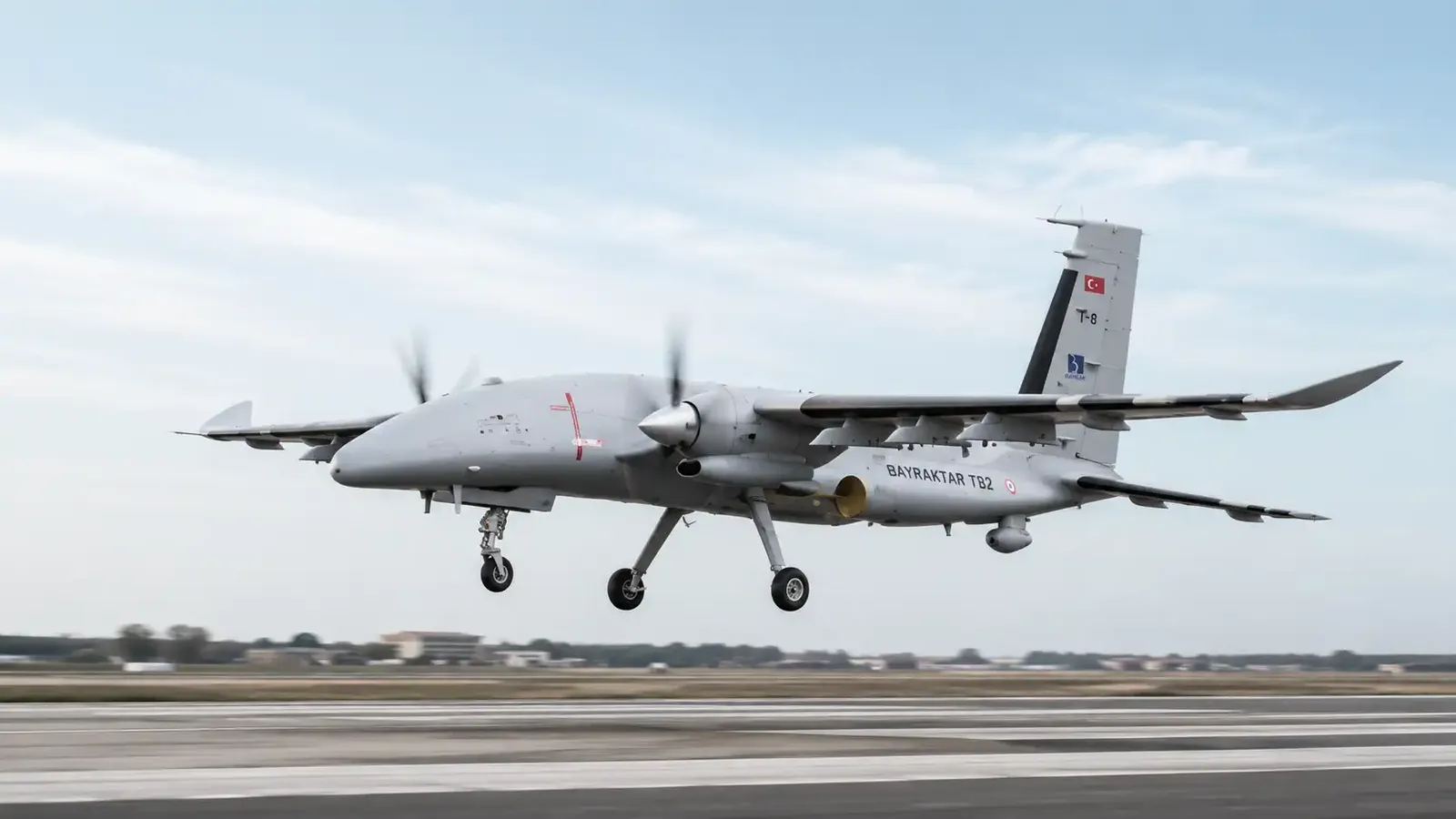
The Bayraktar Akıncı expanded Türkiye's drone capability into heavier payload and longer-range strike missions. The platform carries air-to-ground missiles, cruise missiles, radar systems, and electronic warfare payloads.
The aircraft supports beyond-line-of-sight operations and satellite communication integration. Türkiye positioned the system as a higher-end alternative to earlier MALE platforms while keeping operational costs below comparable Western systems.
Stealth and next-generation combat drones
GJ-11 Sharp Sword
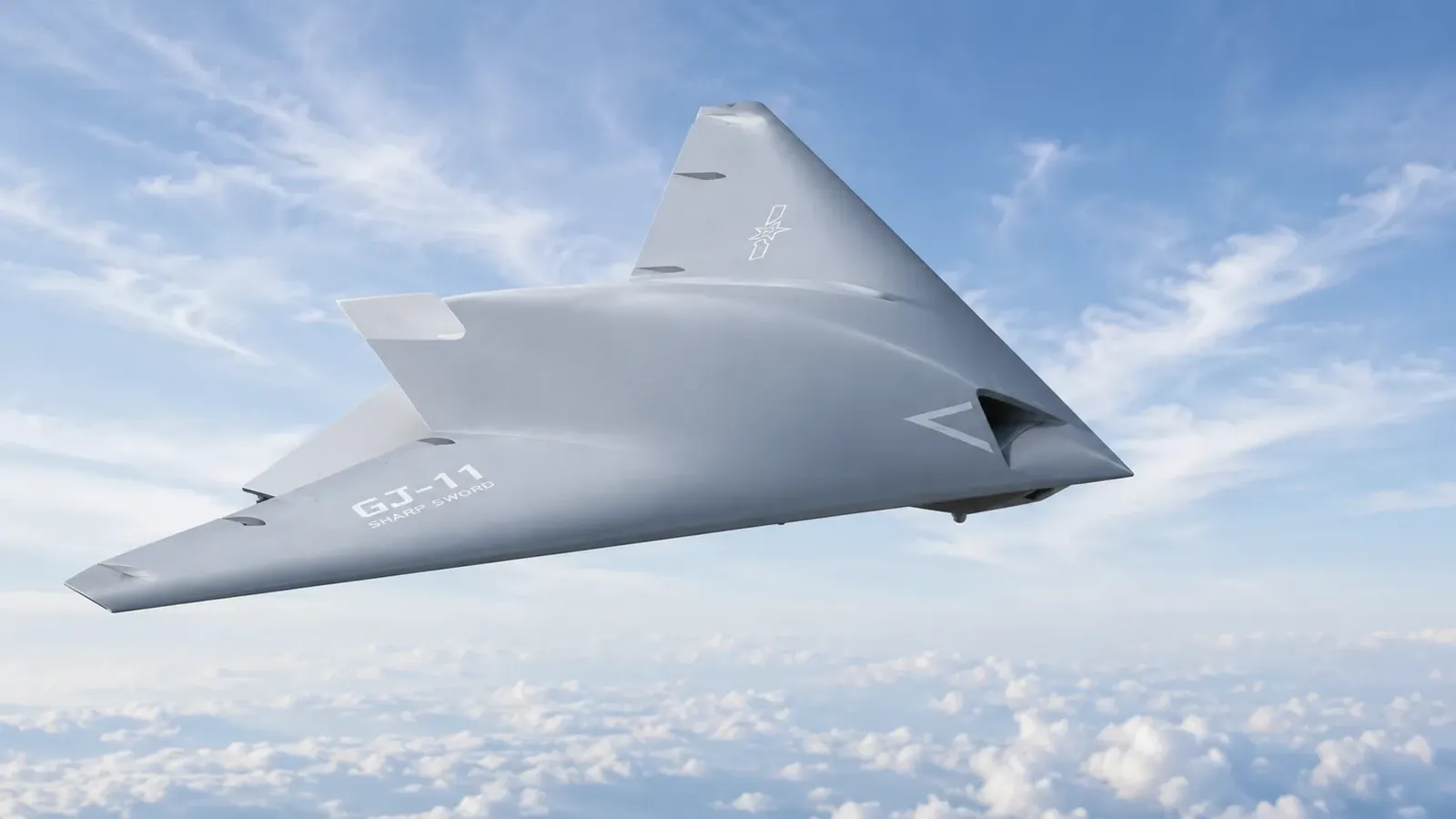
China's GJ-11 Sharp Sword represents one of the most advanced stealth Chinese drone and UCAV programmes currently visible publicly. The flying-wing design focuses on reduced radar signature and internal weapons carriage.
Specification | GJ-11 |
|---|---|
Role | Stealth UCAV |
Configuration | Flying wing |
Mission profile | Deep strike / ISR |
Status | Operational testing |
Chinese state media first displayed the aircraft publicly during military parades and later expanded testing activity near naval and strategic air operations (CSIS China Power Project, 2025).
The aircraft matters strategically because stealth UCAVs reduce pilot risk during contested-airspace penetration missions. China has linked these systems with broader anti-access and area-denial doctrine across the Indo-Pacific.
S-70 Okhotnik
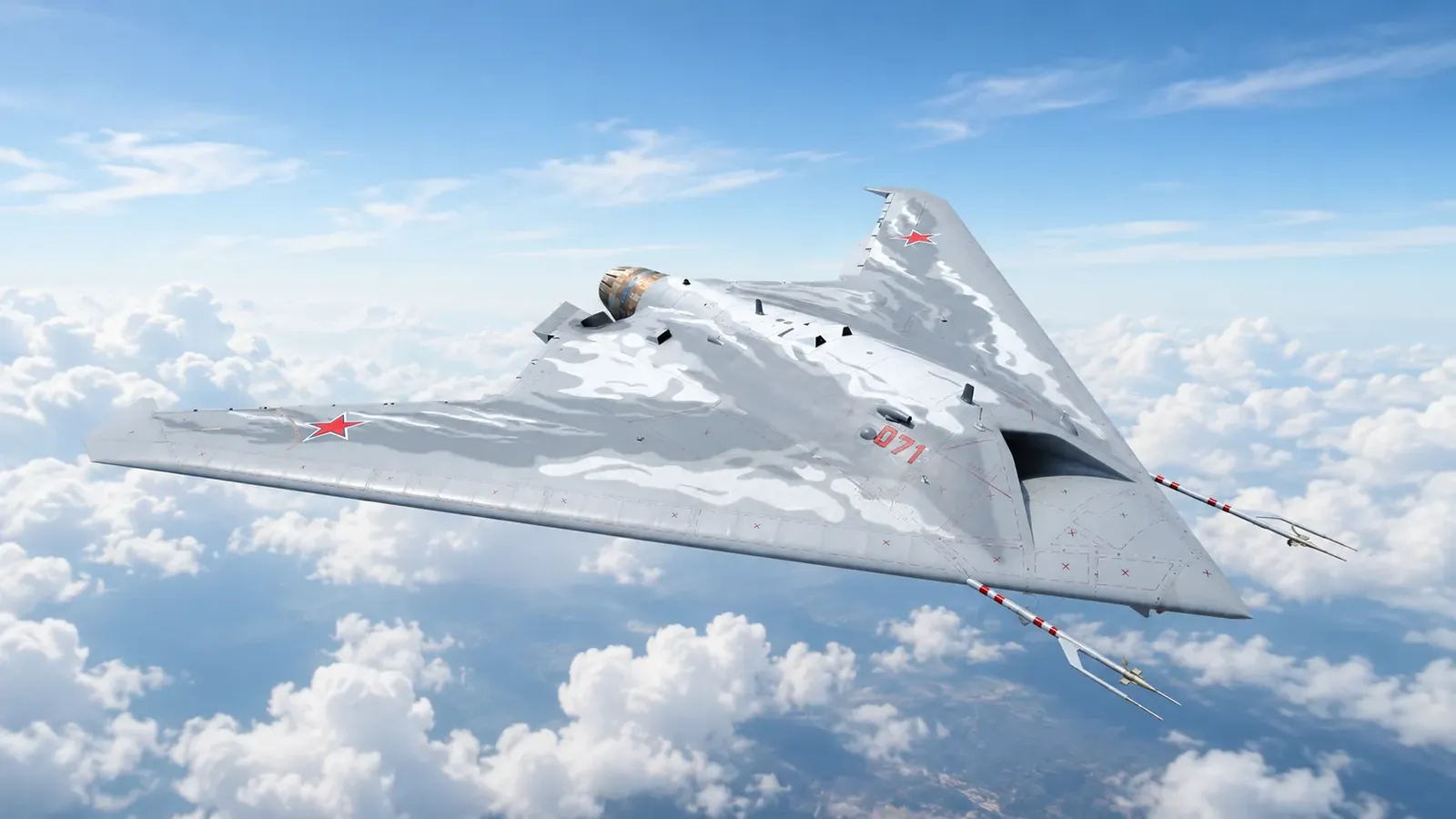
Russia's S-70 Okhotnik is a stealth-oriented Russian drone UCAV programme intended to operate alongside manned fighters such as the Su-57. The aircraft uses a heavy flying-wing configuration and reportedly supports autonomous strike operations.
Russian defence sources stated the system has tested coordinated flight operations with Su-57 aircraft. Operational deployment remains limited, but the programme signals Russia's continued investment in unmanned combat aviation despite wartime production pressure.
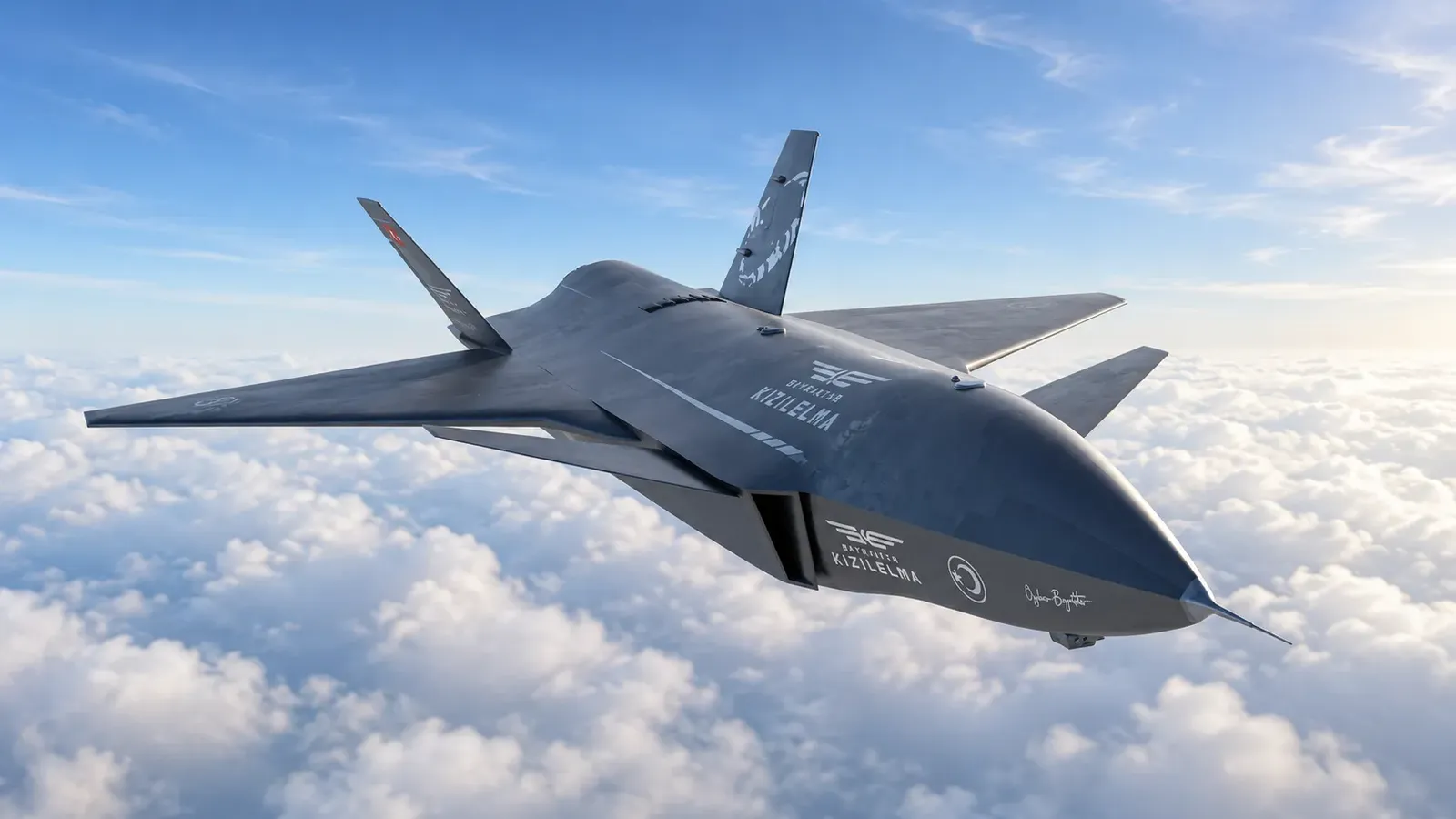
Bayraktar Kızılelma
The Bayraktar Kızılelma represents a shift from propeller-driven drones toward jet drones and jet-powered combat UAVs. The aircraft completed multiple flight tests and weapons integration trials, including a landmark firing campaign on 30 November 2025 that achieved a global first among UCAVs (Baykar, 30 November 2025).
The platform is designed for high-speed operations, air-to-air capability integration, and carrier-compatible deployment concepts. Türkiye has positioned the aircraft as part of its future manned-unmanned combat doctrine and a peer to Western and Chinese stealth UCAV programmes.
Strategic ISR and surveillance platforms
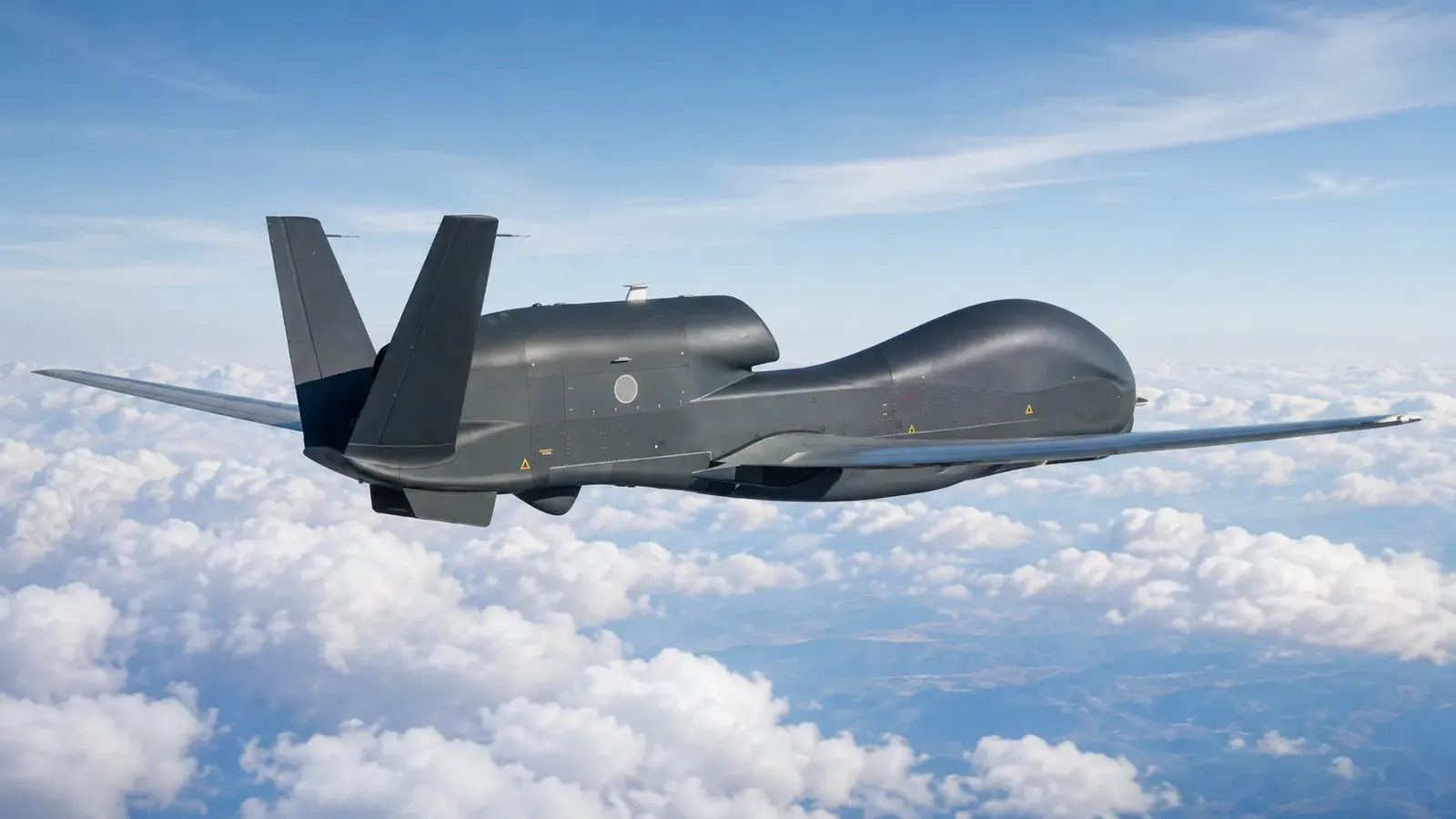
RQ-4 Global Hawk
The RQ-4 Global Hawk remains one of the world's most capable HALE drone and HALE UAV platforms, purpose-built for high-altitude ISR. The aircraft conducts strategic surveillance missions across maritime regions, border zones, and contested airspace.
Specification | RQ-4 Global Hawk |
|---|---|
Endurance | More than 30 hours |
Ceiling | 60,000 ft |
Sensor suite | ISR / SIGINT |
Role | Strategic surveillance |
The platform's altitude and endurance enable wide-area surveillance coverage beyond the reach of most tactical UAVs. Variants such as the MQ-4C Triton focus on maritime ISR operations.
Hermes 900
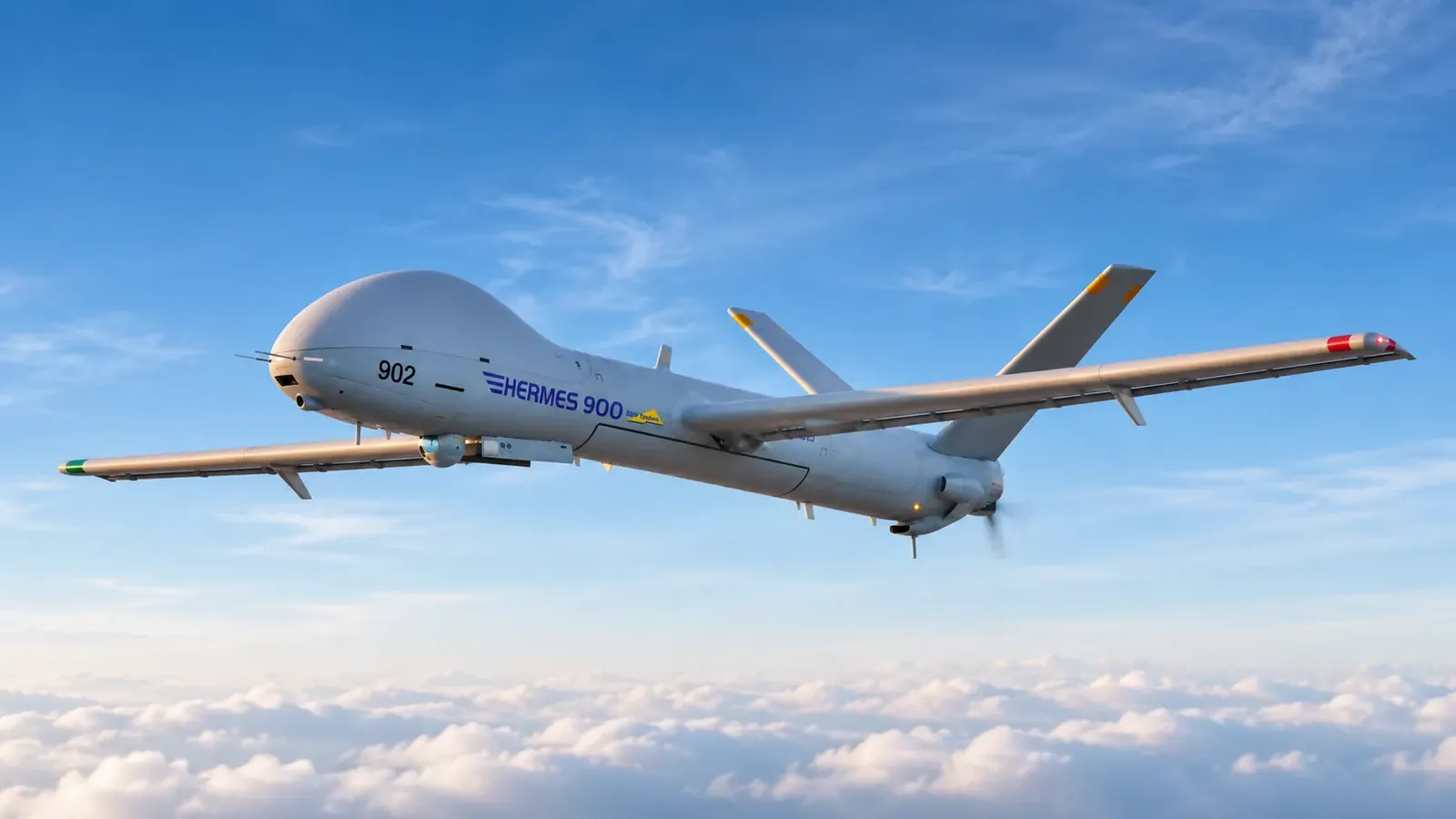
The Hermes 900 Israeli drone entered service with the IDF in 2014 and now operates with Brazil, Chile, Colombia, the Philippines, Switzerland, and Mexico for ISR missions, with endurance and modular payload flexibility as its core advantages. The drone supports surveillance, border monitoring, maritime patrol, and precision targeting roles. India operates Israeli-origin drone systems, including the upgraded Heron drone Mk II and Heron TP platforms for high-altitude surveillance missions (Ministry of Defence, 2024).
TAI Aksungur
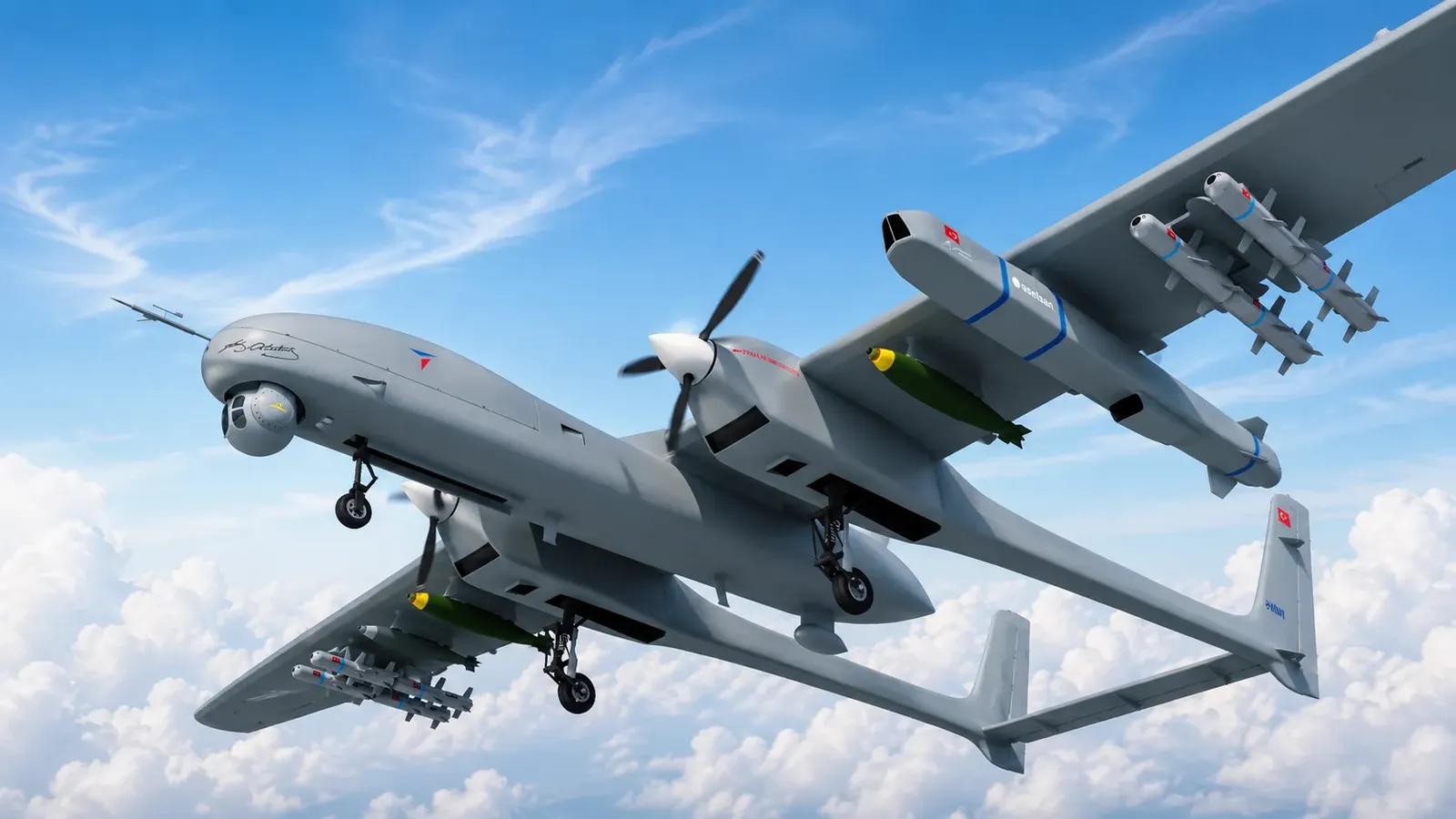
Türkiye's TAI Aksungur supports maritime surveillance and strike missions with satellite communication capability and 49-hour endurance. The aircraft appears in naval ISR discussions because of its anti-submarine and maritime monitoring integration potential.
How the world's military drones compare
The drone comparison matrix below consolidates the operational profile of the twelve platforms above into a single view. It places global UCAVs and India's indigenous fleet on the same scale for the first time across the public web.
Platform | Class | Endurance | Payload | Ceiling | Combat proven | Operators |
|---|---|---|---|---|---|---|
MQ-9B SkyGuardian | MALE UCAV | 40+ hrs | 2,155 kg | 40,000 ft | Yes | US, UK, India, others |
Bayraktar TB2 | MALE UCAV | 27 hrs | 150 kg | 27,030 ft | Yes | 30+ countries |
Bayraktar Akıncı | HALE UCAV | 24 hrs | 1,500 kg | 40,000 ft | Limited | Türkiye, exports |
Wing Loong II | MALE UCAV | 20 hrs | 480 kg | 32,000 ft | Yes | China, exports |
GJ-11 Sharp Sword | Stealth UCAV | Classified | Internal bay | Classified | Test phase | China |
Hermes 900 | MALE ISR | 36 hrs | 350 kg | 30,000 ft | Yes | Israel, India, others |
TAI Aksungur | MALE ISR / strike | 49 hrs | 750 kg | 40,000 ft | Limited | Türkiye |
RQ-4 Global Hawk | HALE ISR | 30+ hrs | ISR / SIGINT only | 60,000 ft | Yes | US, allies |
S-70 Okhotnik | Stealth UCAV | Classified | Classified | Classified | Test phase | Russia |
Bayraktar Kızılelma | Jet UCAV | 5 hrs | 1,500 kg | 35,000 ft | Flight-tested | Türkiye |
Archer-NG | MALE | 29 hrs | 300 kg | 30,000 ft | Trials | India |
Sky Striker | Loitering munition | 2 hrs | 5–10 kg warhead | Tactical | Yes (Sindoor) | India, Israel |
The matrix shows where India's indigenous platforms sit against global benchmarks. Archer-NG matches MALE-class endurance targets and remains in trials. Sky Striker is combat-validated through Operation Sindoor and operates in the loitering munition tier alongside imported Harop systems.
India's indigenous fleet expands
India accelerated indigenous Indian defence drone development after 2021 through import restrictions, domestic procurement programmes, and defence manufacturing incentives. The country's India drone strategy combines imported long-range systems with domestic ISR, loitering munition, and stealth UCAV programmes.
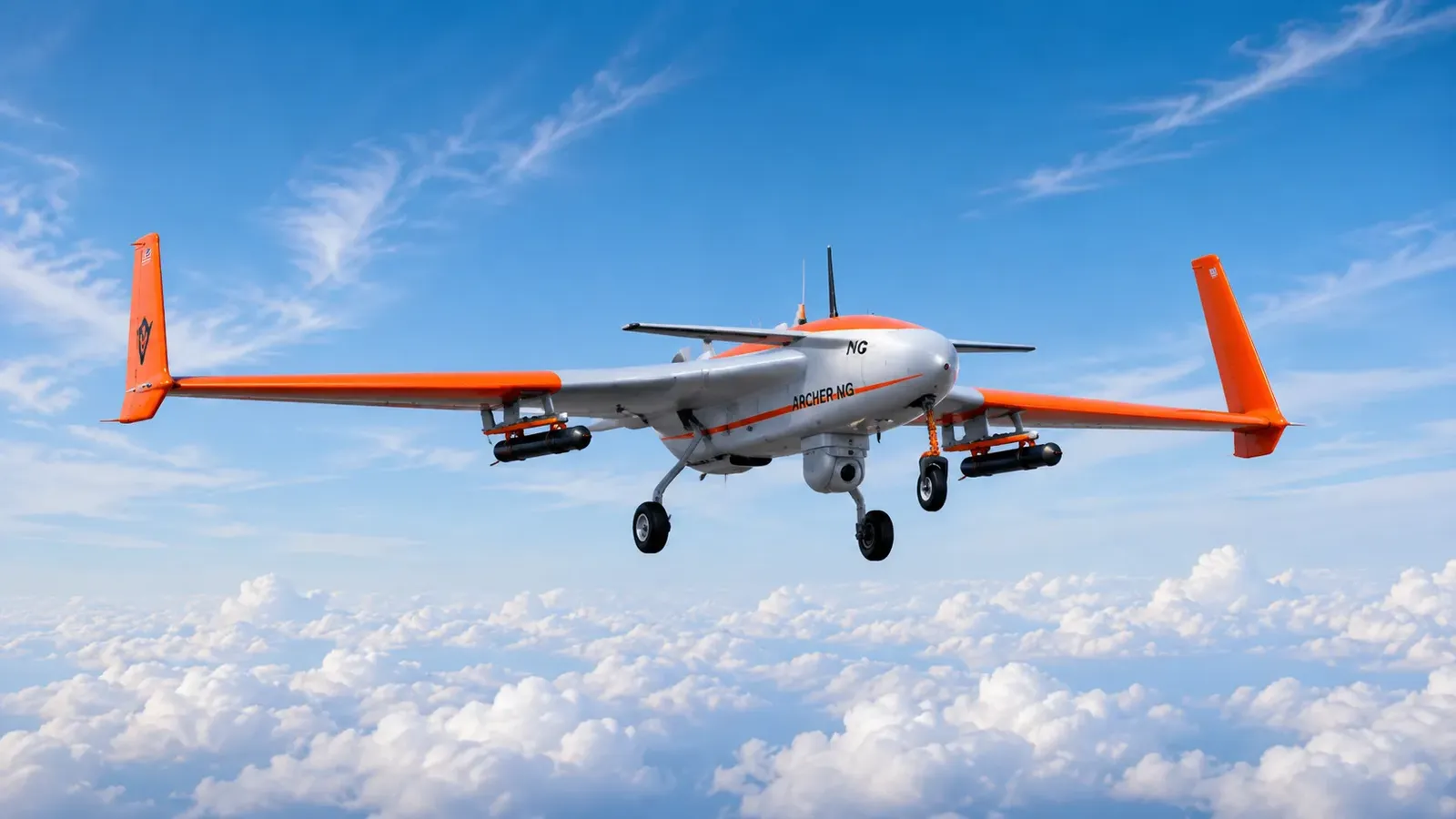
Archer-NG
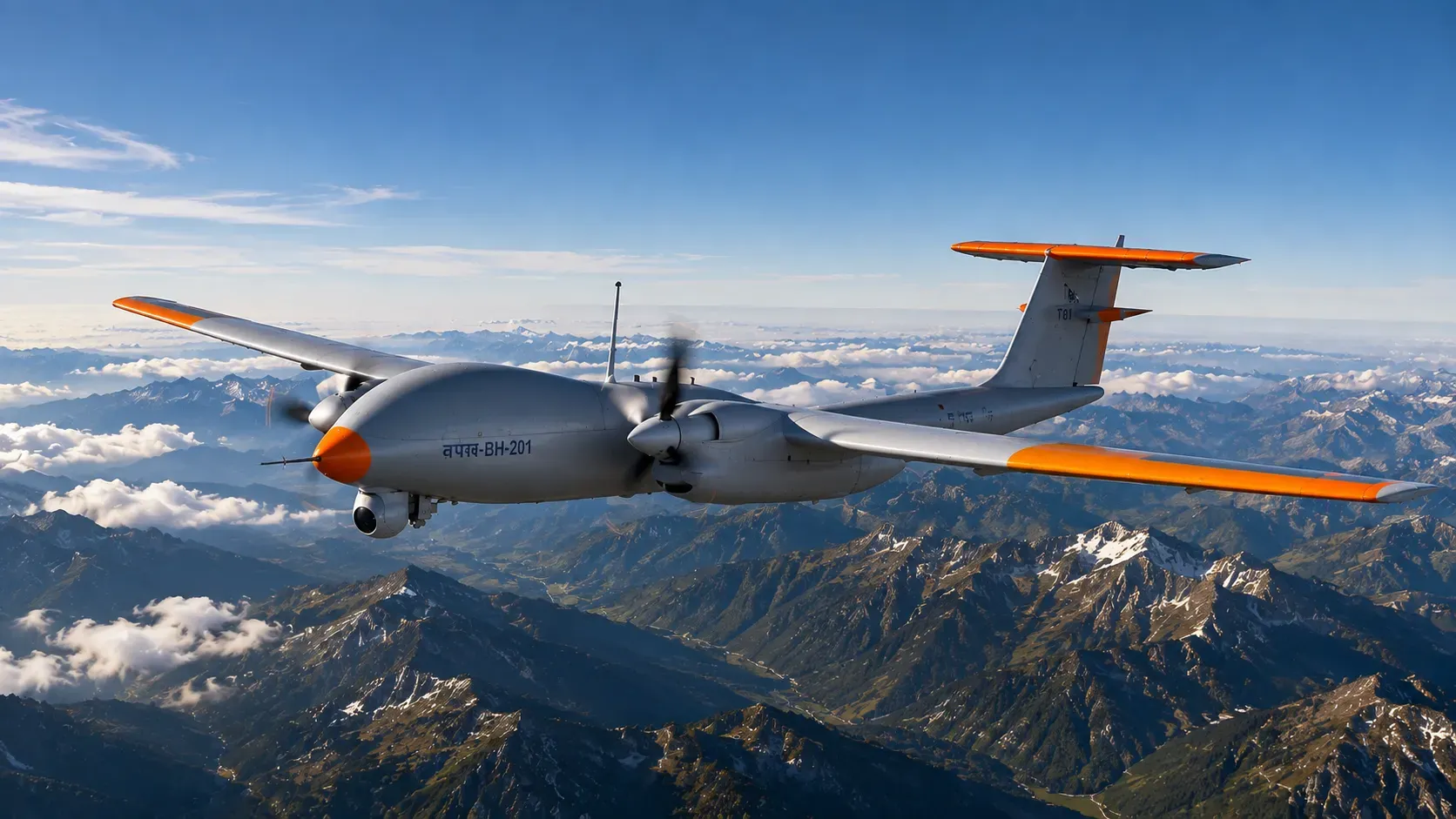
The Archer-NG, developed by DRDO's Aeronautical Development Establishment, replaced the TAPAS-BH-201 as India's primary indigenous MALE UAV programme after the latter was reclassified from mission-mode in January 2024 (Wikipedia, citing MoD source, 14 January 2024). Archer-NG completed its maiden flight in October 2025.
Specification | Archer-NG |
|---|---|
Endurance | 29 hours |
Payload | Up to 300 kg across 4 hardpoints |
Ceiling | 30,000 ft |
MTOW | 1,800 kg |
Powerplant | Indigenous 177 hp turbocharged engine |
The aircraft is designed for ISTAR missions and an optional weaponised configuration with laser-guided rockets, bombs, and loitering munitions out to 100 km. Archer-NG meets the operational thresholds the TAPAS programme failed to deliver, including 30,000 ft ceiling and 24-hour-plus endurance. India's MALE-class requirement across the three services exceeds 97 platforms.
Sky Striker
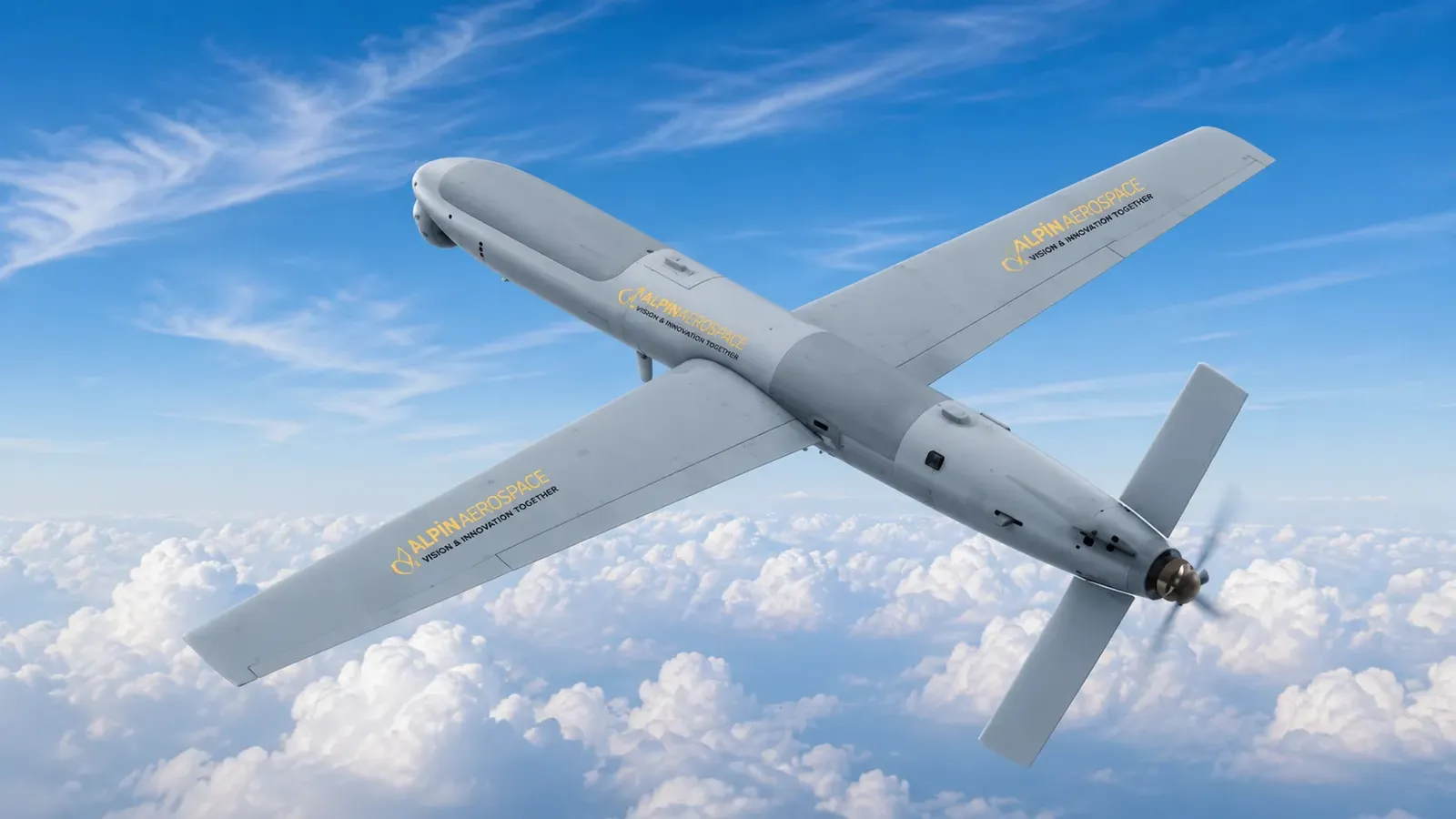
The Sky Striker loitering munition, manufactured at Bengaluru by Alpha Design Technologies under a joint venture with Israel's Elbit Systems, made its combat debut during Operation Sindoor between 7 and 10 May 2025. The Indian Army inducted 100 Sky Strikers from 2021 onwards. The drone carries a 5–10 kg warhead over a 100 km range and was used to strike terror infrastructure including bases at Noor Khan and Rahimyar Khan. Operation Sindoor was its first operational deployment.
Nagastra-1
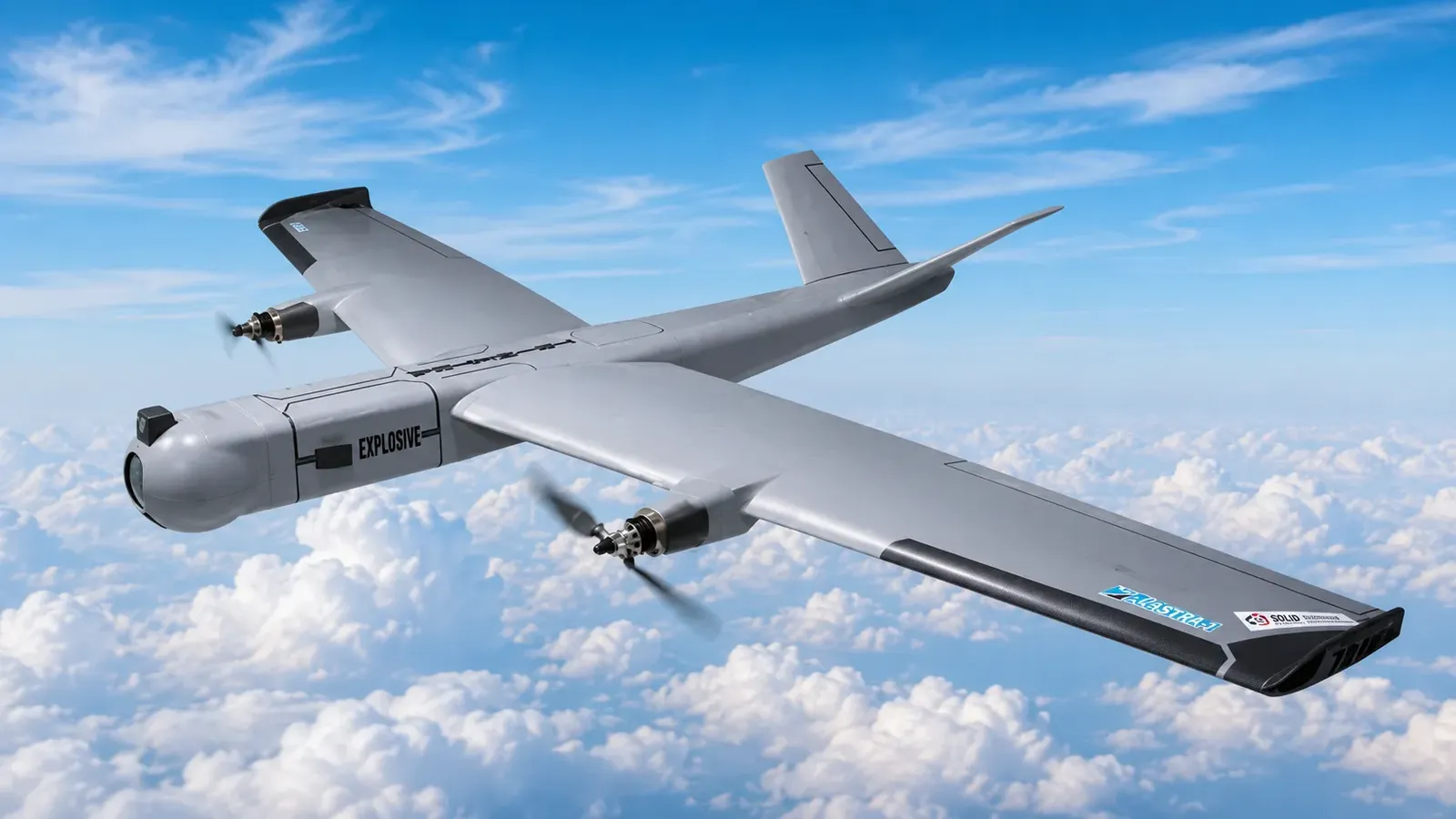
The Nagastra-1 loitering munition, developed by Solar Industries and ZMotion under DRDO oversight, is a man-portable system with 15-20 km range, 60-minute endurance, and a 1.5 kg warhead. Operation Sindoor confirmed Nagastra-1 strikes against Jaish-e-Mohammed and Lashkar-e-Taiba bases. The system is designed for precision strikes against personnel and light targets while keeping operational cost lower than larger UCAV platforms (PIB, 18 May 2025).
Additional Indian programmes
India's broader unmanned ecosystem includes multiple operational and developmental programmes:
- Ghatak, a stealth UCAV based on a flying-wing design, with the SWIFT scaled-down technology demonstrator completing its maiden autonomous flight on 1 July 2022
- CATS Warrior, a loyal wingman programme by HAL and NewSpace Research linked with manned fighter operations
- ALS-50, a Tata Advanced Systems Limited loitering munition combat-proven during Operation Sindoor
- Abhyas, developed as a high-speed expendable aerial target
- JM-1, the first 100% Indian-designed kamikaze drone, combat-debuted during Operation Sindoor
- Indigenous swarm drone initiatives tested by the Indian Army and DRDO
The Ministry of Defence stated that India's defence exports crossed ₹23,000 crore during FY 2024-25, with drone systems contributing to domestic manufacturing expansion (Ministry of Defence, 2025). The target for FY 2028-29 is ₹50,000 crore. For the policy and certification context behind these manufacturers, see our analysis of DGCA type certification for indigenous drones.
Drone doctrine and autonomous warfare
The next phase of autonomous drone and military drone development focuses less on single-aircraft capability and more on networked operations. Modern doctrine combines ISR drones, loitering munitions, electronic warfare aircraft, air-defence systems, and command networks into integrated operational layers.
Three operational concepts now dominate defence planning discussions:
Concept | Purpose | Countries investing |
|---|---|---|
Loyal wingman systems | Manned-unmanned teaming | US (XQ-58 Valkyrie), India (CATS Warrior), Australia (MQ-28 Ghost Bat), Russia (Okhotnik) |
Drone swarms | Saturation and ISR | China, India, Türkiye |
Autonomous strike support | Reduced reaction time | Multiple |
Electronic warfare resilience also became critical after extensive GPS jamming and signal interference in Ukraine and the Middle East. Modern military drones require anti-jamming communication systems, autonomous navigation backup, and encrypted satellite links.
India's future programmes align with these trends. DRDO and the Indian armed forces are investing in swarm coordination, layered counter-drone defence, and autonomous mission support systems through the CATS Warrior programme and the Indian Army swarm drone competition.
Counter-drone systems and air defence integration
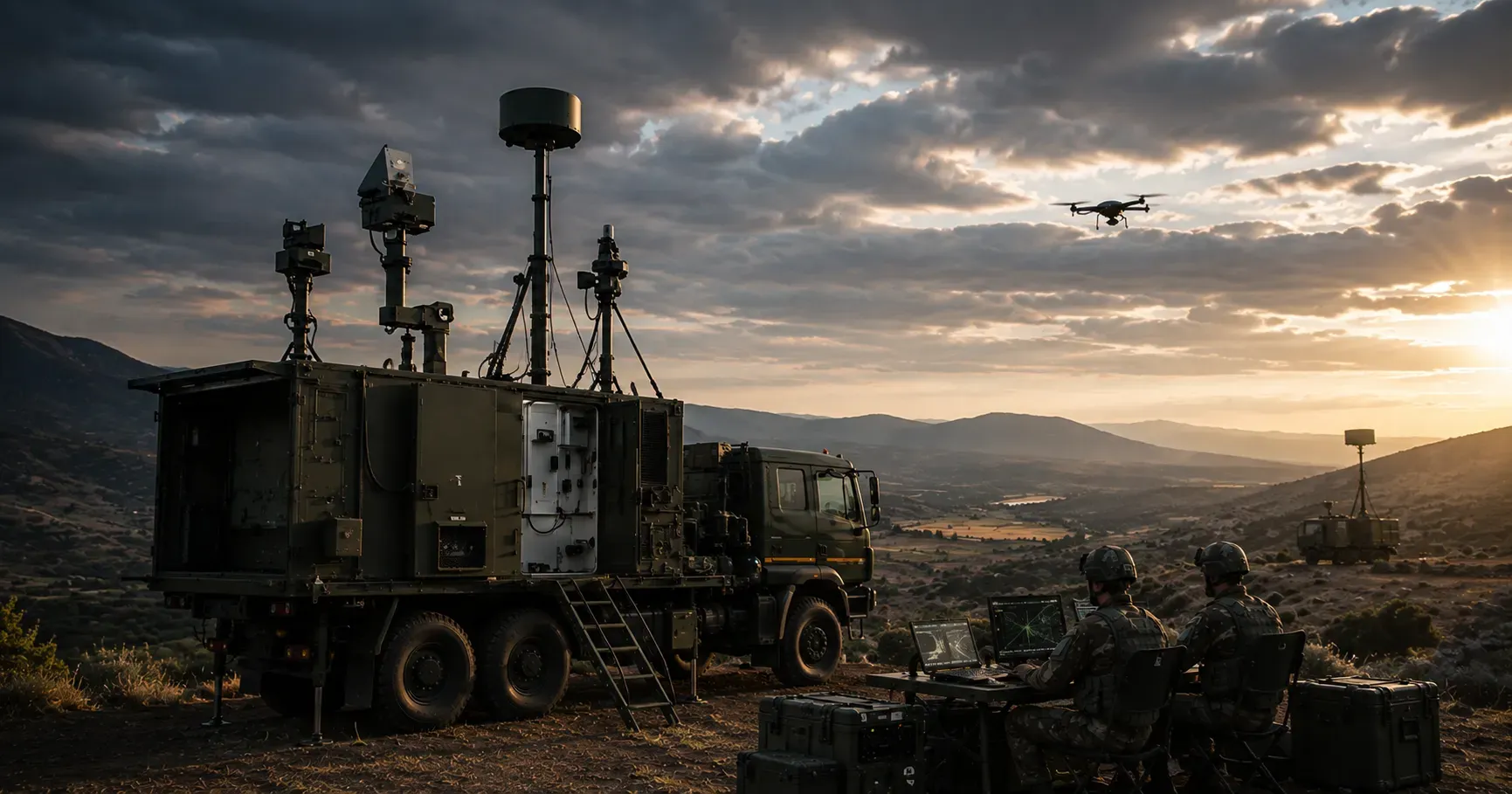
The expansion of military drone usage accelerated investment in counter-UAS systems. Armed forces now treat drone defence as a permanent component of layered air defence rather than a temporary battlefield requirement.
Modern counter-drone systems combine:
- Radar and electro-optical detection
- RF signal interception and jamming
- Hard-kill interceptors
- Directed-energy systems
- Integrated command-and-control software
India expanded development of indigenous counter-drone systems after repeated border infiltration incidents and regional drone deployments. DRDO's D-4 anti-drone system, integrated with the Akashteer command network, neutralised hundreds of hostile drones and missiles during Operation Sindoor including Chinese-origin PL-15 missiles and Turkish Byker YIHA III kamikaze drones (DRDO, 2025). The Akashteer system coordinated Akash and MRSAM batteries across 26 targeted locations from Srinagar to Nalia.
Operation Sindoor demonstrated that drone warfare and counter-drone warfare evolve together. Every improvement in endurance, autonomy, and swarm coordination raises the requirement for faster detection, layered interception, and electronic warfare integration. For a deeper read on the kinetic and non-kinetic counter-drone stack, see our counter-UAS systems analysis.
The future battlefield will include persistent drone presence on both sides of a conflict zone. Air superiority depends on the ability to operate drones while denying hostile drone access to contested airspace.
What this means for military procurement
Modern military drone procurement turns on operational survivability rather than isolated performance metrics. Endurance and payload remain important, but armed forces now prioritise communication resilience, satellite independence, electronic warfare resistance, and interoperability with existing command systems.
India's procurement approach reflects this shift. The armed forces are combining imported strategic ISR platforms with indigenous tactical systems and loitering munitions. The objective is not replacing every foreign platform immediately. The objective is reducing long-term operational dependence while scaling domestic production capacity.
Three procurement trends are shaping global defence planning:
- Multi-layered drone fleets replacing single-platform dependence
- Indigenous manufacturing tied to wartime production resilience
- AI-assisted mission support integrated with human-controlled engagement authority
The Ministry of Defence raised emphasis on domestic drone testing, local component sourcing, and operational evaluation under Indian environmental conditions after 2023 (Ministry of Defence, 2025). High-altitude operations along the Line of Actual Control, desert environments, maritime surveillance, and electronic warfare resilience became core evaluation categories.
Countries that combine industrial scale, doctrine integration, and operational deployment will dominate the next phase of unmanned warfare. Platforms alone no longer determine battlefield advantage. Production speed, software integration, and electronic warfare adaptation shape strategic outcomes.
Strategic implications for India
India's military drone ecosystem has changed since the 2021 import-restriction reforms. The country moved from limited dependence on imported surveillance drones toward a mixed doctrine built around indigenous manufacturing, imported strategic platforms, loitering munitions, and layered counter-UAS capability.
Operation Sindoor accelerated this transition by validating operational integration between drones, electronic warfare systems, and air-defence networks. The conflict also demonstrated the importance of scalable domestic manufacturing capacity during prolonged operational deployments.
The next stage depends on three factors: faster induction cycles, resilient communication infrastructure, and indigenous engine and sensor development. Endurance alone no longer defines capability. Survivability against electronic warfare, integration with battlefield networks, and autonomous coordination determine operational value.
The Indian military drone roadmap for the near term covers Archer-NG induction, MQ-9B delivery, ALS-50 scale-up, and the Indian Army swarm RFP closure. India's air-domain capability will be shaped by verified operational performance rather than headline specifications alone.